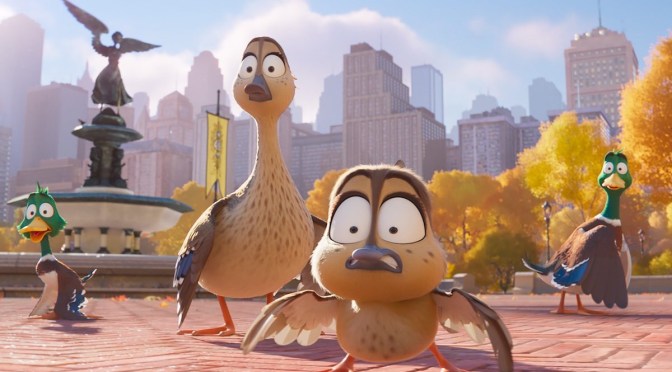
If there’s one film certain to make an easy billion at the 2024 box office it’s Despicable Me 4, the latest in Illumination’s six-feature-strong string of massive hits. Minions make money. Lots and lots and lots of it. First though, comes a rarer thing. Migration is Illumination’s first original offering in eight years, sweeping into screens on the back of a girthy run of sequels, remakes and video game adaptations. Visually speaking, the film delights. Directed by French cartoonist Benjamin Renner, Migration is Illumination’s cheapest but most dazzling animation in a decade. In all other respects, it’s a monumental bore.
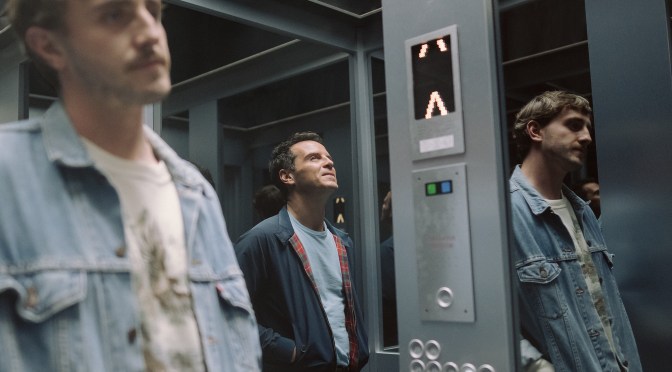
The Sun seems perpetually ready to set in and upon All of Us Strangers, an achingly personal new romance by Lean on Pete director Andrew Haigh. It’s befitting of a film that enjoys that very Shakespearean notion of a tale told entirely in the twilight hours. Certainly, there’s something implicitly theatrical about the premise, which dances, at times, on the peripheral edges of gimmickry. Such concerns are, however, offset by the astounding rawness of Haigh’s own emotional engagement with the narrative. This is no autobiographical feature – the film takes inspiration from the 1987 Taichi Yamada novel, Strangers – but it is no less enthused with the outpouring of a heart fully opened.
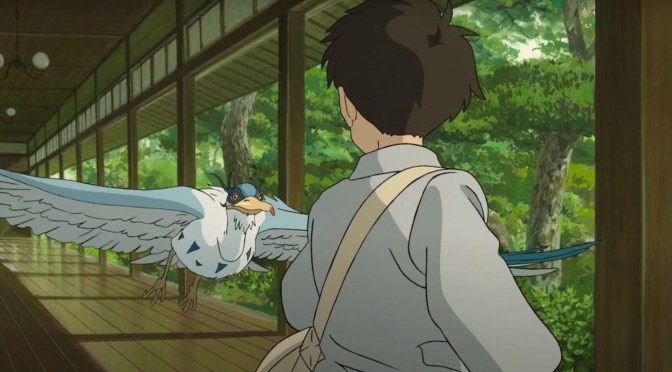
Never one to retire gracefully – and he’s got previous – Hayao Miyazaki’s latest swan song is a delectably well prickled endeavour, as rich in plot as visual flair. It’s a fantastical tale, for all the grounding themes of grief, loss and loneliness. An expansive world illuminates Miyazaki’s dazzling vistas, untethered perimeters and boundless imagination expanding across the screen. The film’s international title – The Boy and the Heron – is rather less prosaic than the Japanese original, which borrows from the 1937 novel How Do You Live? by Genzaburo Yoshino. It does, however, belie a stronger narrative drive here than in many of Miyazaki’s past, more cerebral, triumphs.

 The Film Blog