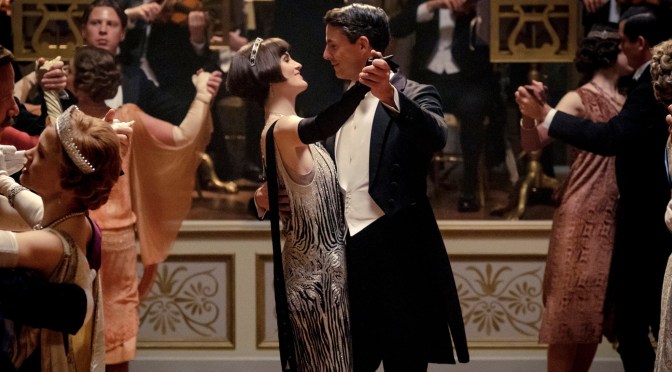
Like one of Mrs Patmore’s proverbial soufflés, Downton Abbey in film format is light, fluffy and permanently – perilously – on the verge of total collapse. It is not, as some have suggested, merely akin to an overlong episode of the television series that took the world by storm between 2010 and 2015. No. What has been created here is a whole series, truncated to singular feature length; a full box set lacking only advert breaks and next time teasers. One can almost hear the twee inflections in John Lunn’s divine score that ought to herald commercials, and will one day soon with ease. Despite sleeker visuals and an afternoon spent filming long shots in a helicopter, this budgetary upgraded Downton won’t win new fans for the franchise but should prove to be the icing on the hard core’s cake.
With a novel quite so extraordinarily overlong as is Stephen King doorstop bestseller It, it makes perfect sense to partition the story into two. The revelation that Andy Muschietti’s take on the classic would draw the line between child- and adulthood, likewise, struck as logical. In actuality, Muschietti’s result is a tale of two halves for the weaker. Chapter Two suffers from an affliction of repetition and of been there done that. A superior cast and high budget visuals help things float but never so high as it’s immediate predecessor.
James Bobin has previous when it comes to the art of blending self-referential wit and naive optimism in the rejuvenation of childhood classics. It stems from a cinematic career that was launched splendidly with 2011’s jovial The Muppets and survives Alice Through the Looking Glass to enjoy a delightful second wind in Dora and the Lost City of Gold. Based on the adventures of television toon phenomenon Dora the Explorer, the film catapults its heroine ten years into her future but retains the original thirst for knowledge. If Bobin’s take is too old for prior audience, that’s fine – they grew up.



 The Film Blog