Like much of the old Weinstein Company catalogue, Alfonso Gomez-Rejon’s The Current War was once notionally poised for awards season assault. Then – way back in 2017 – a rushed edit, pushed by Harvey himself into a premature Toronto festival release, dropped like a stone. Just weeks later, the Weinstein scandal saw the whole thing shelved. Now, nearly two years on, a salvaged recut comes courtesy of Lantern and Entertainment Films, quietly slipped into a Summer of big hitters. It’s an unjust fate for a film with verve enough to assuage its fair share of faults.
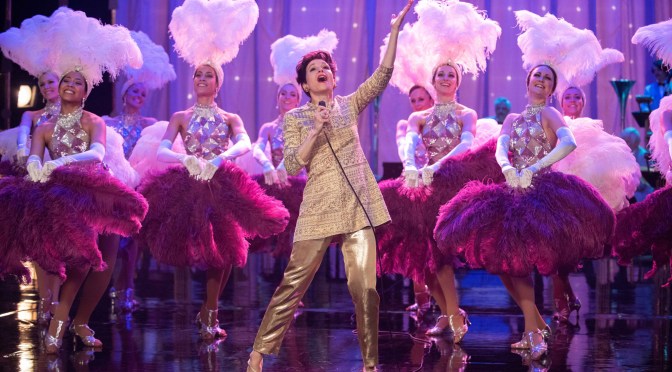
The original play that inspired Judy, penned for a 2005 debut by Peter Quilter, was rather more appropriately titled ‘End of the Rainbow’. This is not to relate film and play alike to some pot of gold but instead to note the sobriety with which each characterises the later life of a star who was driven to anything but. Judy may, semantically, lay the ground for heraldic tribute to Garland as icon but it is a film that works best when it explores the desperation of a mother at sea. The tone is somber, give or take a handful of glitzy highlights, and the aftertaste embittered by a distressingly emotional crux. At the film’s core, Renée Zellweger gives the most electrically all-in performance of her career.
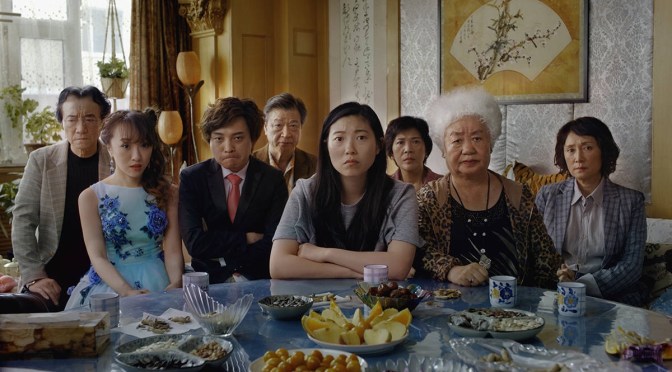
Having proved herself a scene stealing, eccentric comic in last year’s Crazy Rich Asians, Awkwafina is a revelation in Lulu Wang’s intrinsically more somber new drama The Farewell. Humorous beats are perhaps inevitable where the star is concerned – such is the human condition after all – but here come deftly woven with the poignance of a funerary tone. By the coming of Wang’s final stimulating shots, there can be little doubt that The Farewell will stand as one of 2019’s most moving features. It’s another well chosen triumph for hitmakers A24.


 The Film Blog