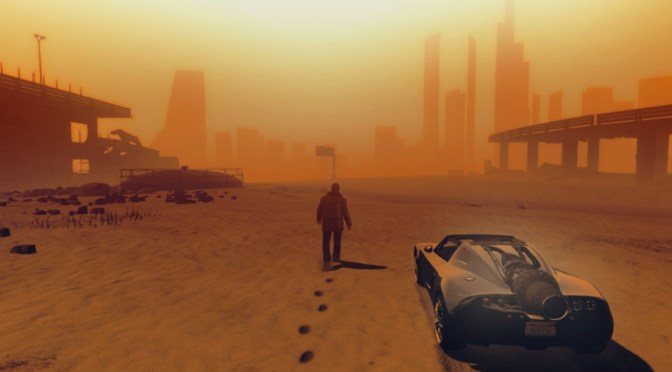
Denis Villeneuve’s long-awaited sequel to Ridley Scott’s cult classic Blade Runner may be set some three decades after the original but is packed with dystopian pertinence so in line with the issues of the present day that the gap feels more intensely condensed than its predecessor ever could. Every bit on the forefront of visual technology itself, the triumph of Blade Runner 2049 is how well it emulates and advances the essence of the original, whilst offering one of the most cinematographically perfect experiences ever brought to the big screen.
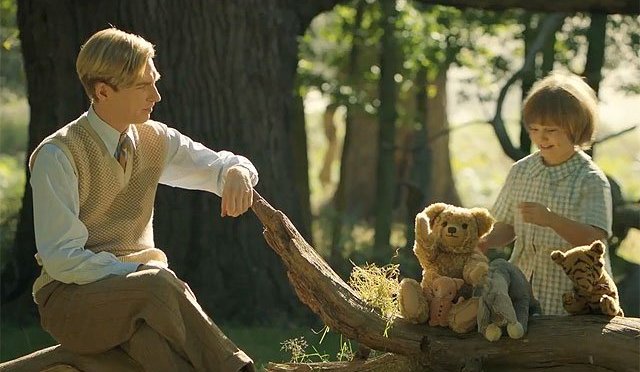
First, he was made an unwilling global megastar and now young Christopher Robin, son of Winnie-the-Pooh writer A. A. Milne, has become a metaphor. Better known in his early years as Billy Moon, C. R. Milne is an icon of humanity in Simon Curtis’ Goodbye Christopher Robin; a Heaney-esque symbol of the death of childhood and exploitative evils of the world. The true story of the creation of Milne’s beloved bear is surprisingly devastating and one possessing very little by way of a happy ending for its protagonists. Yet, with an ample spoonful of sugar (Saving Mr Banks is a spiritual sibling), Curtis’ film retelling of history is by equal measure twinkly and delightful. This hundred acre wood is thicketed with hugely winning adventure and yet tinged with saccharine sadness.

 The Film Blog