The X-Men franchise is like a box of melted chocolates, you never know what mutation you’re going to get. It is indeed a series that’s provided some serious ups and downs. For every popping candy/caramel barrel combination (Days of Future Past – deliriously good) they’ve pulled out a chocolate blob that’s lost its raisin (Apocalypse – you know, fine but it’s kind of missing the point). Therefore, it’s with an air of caution that one approaches Logan, Hugh Jackman’s last stand as the Wolverine after an impressive seventeen years. Jackman’s been an ever-solid presence since his first appearance in Bryan Singer’s X-Men, but up to now his standalone spin-offs have, frankly, been a bit of let down. Thankfully, Logan finally hits the mark. X marks the spot, if you will…
That the rape of the film’s protagonist, Michèle (Isabelle Huppert), is heard before seen – and in such a way that it could yet be consensual – addresses straight from the top the themes of complicity that will prove so directly challenging throughout the film. That this opening audio gasps over the name of its director, Paul Verhoeven, is equally telling.
The man who brought the world Basic Instinct is back after a decade’s hiatus with a bang.
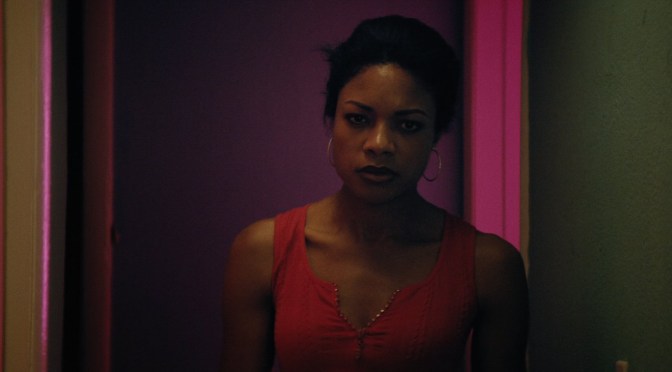
Moonlight is a bold move by Medicine for Melancholy director, Barry Jenkins. Adopting an unrealised, semi-autobiographical, 2003 drama project by Tarell Alvin McCraney – In Moonlight Black Boys Look Blue – as his inspiration, Jenkins’ film is a rejection of the hard line, socio-realist aesthetic, synonymous with depictions usually granted to similarly located films. Bringing to the production his own experiences as a child in Miami, Moonlight sees its director take the sun-kissed cinematography of Fernando Meirelles and Kátia Lund’s City of God, and infuse the picture with a beautifully Rococo, pastel palette. The effect jars perfectly. Grit and grime are painted in pinks, blues and greens which serve to express the visceral tension underlying this society within ‘the sunshine state’. The title is apt; what setting could better connote the fine line of romance and danger than one against moonlight?


 The Film Blog