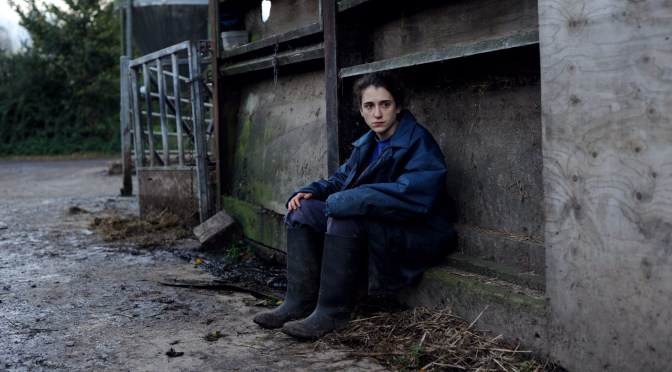
As premiere features go, erstwhile short film-maker Hope Dickson Leach’s The Levelling marks a startlingly good debut for the first time full-length film director. Perfectly framed, and shot with masterful panache, this is a work charged with emotion, understatement and an awareness for its cinematic predecessors.
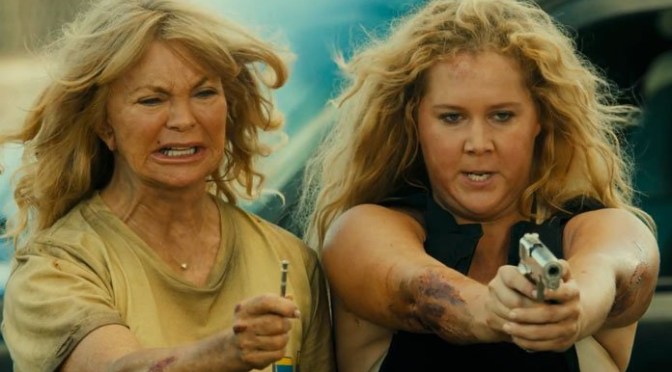
The film that lures Goldie Hawn, last seen with Susan Sarandon in 2002’s maligned The Bangor Sisters, back to the limelight ought to be a special one. Likewise, the new feature starring Amy Schumer, a comic surprisingly divisive based on her most recent turn in Judd Apatow’s terrific Trainwreck, should easily be a hoot. Jonathan Levine’s Snatched, penned by The Heat and Ghostbusters writer Katie Dippold, is however neither special nor, more’s the pity, anywhere near to being a hoot. That the talent’s on board is without a doubt; it’s just hard not to expect so much better and want for so much more.
Few opening credits feel quite so redundantly unnecessary as the appearance of ‘a Guy Ritchie film’ does at the end of King Arthur: Legend of the Sword‘s preluding five minutes. Already, by this early stage in what can only be described as a bonkers romp into the thickets of Arthurian legend, Ritchie has slam dunked a checklist of his signature motifs. Whilst giant elephants and villainous Magi stampeding on a pseudo-medieval castle, led by bad-egg wizard (Volde)Mordred, may not be typical of the Snatch and Sherlock Holmes director’s oeuvre, a flippant attitude to real time motion and laddish vibe are both very much present and correct.